Reviewing A Dreamy Watercolor Christmas Embroidery Design
As a designer who has spent years digitizing patterns and testing them on everything from stiff denim to delicate silk, I approach every new machine embroidery design with a mix of curiosity and skepticism. We have all seen designs that look stunning on a screen but turn into a tangled mess of thread breaks and puckering once the needle hits the fabric. Today, I am taking a close look at A Dreamy Watercolor Scene of a Christmas, evaluating it not just as a pretty picture, but as a functional asset for real-world production.
This piece falls under the category of Illustrations, which immediately raises questions about stitch density and color blending. Watercolor styles are notoriously difficult to translate into thread because they rely on soft gradients and bleeding edges—effects that embroidery, by nature, struggles to replicate without heavy saturation. However, when done correctly, these designs can elevate a simple handmade product into something that feels like wearable art. Let us dive into how this specific design performs in practical scenarios.
First Impressions and Visual Mood
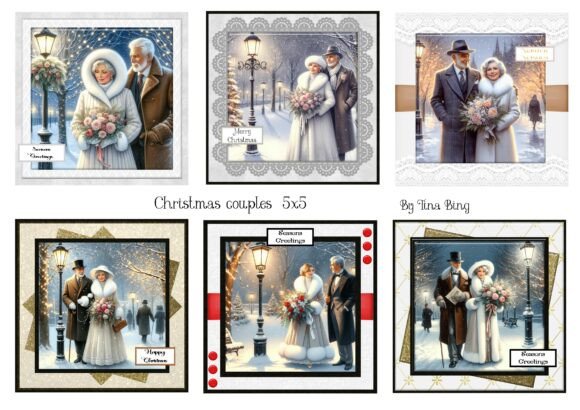
The first thing that strikes me about A Dreamy Watercolor Scene of a Christmas is its atmospheric quality. It does not scream for attention with harsh outlines or neon brightness. Instead, it offers a soft, nostalgic warmth that is perfect for the holiday season. The layout suggests a gentle composition, likely featuring traditional motifs rendered with a painterly touch. For an embroidery project, this means the design relies heavily on fill stitch work to create those washed-out effects, rather than crisp satin stitch borders.
From a branding perspective, this mood is invaluable. If you are an Etsy seller or run a small boutique, this design fits seamlessly into a "slow living" or "heirloom quality" aesthetic. It appeals to customers looking for subtle elegance rather than loud, commercial graphics. The visual personality is calm and inviting, making it an excellent choice for items meant to comfort, such as baby blankets or home decor.
Real-World Application: The Tote Bag Test
To truly understand the viability of this design, I imagined applying it to a popular small shop product: a canvas tote bag. Canvas is a forgiving fabric, but it has a distinct texture. When I visualize A Dreamy Watercolor Scene of a Christmas stitched onto a natural cotton tote, the interplay between the thread and the weave becomes critical.
In this scenario, the design acts as a central focal point. Because watercolor styles often use varied thread colors to mimic paint mixing, the transition between shades needs to be smooth. If the digitizer has used short, dense stitches, the result will be rich and vibrant. However, if the stitch length is too long, the "watercolor" effect might look pixelated or choppy. For a tote bag, which is often carried and handled roughly, the durability of these fill areas is paramount. A well-digitized version of this design should hold up to washing without the threads pulling away from the fabric.
This same logic applies to sweatshirt embroidery. On a fleece or French terry background, the design needs enough density to sit on top of the nap without sinking in. If you are creating custom apparel for clients, this design offers a sophisticated alternative to standard block-letter holiday logos. It feels personal and thoughtful, increasing the perceived value of the finished product.
Navigating Technical Challenges
While the aesthetic is appealing, we must address the technical hurdles. Watercolor-style Illustrations often require a high number of color changes and complex layering. Here is where practical judgment comes in.
- Fabric Choice: Avoid using this design on very thin or stretchy fabrics unless you are an experienced hooper. The density required to achieve the watercolor look can cause puckering on lightweight knits. It is better suited for stable fabrics like cotton twill, denim, or heavy linen.
- Hoop Size: Check the dimensions carefully. If the design is large, ensure your machine can handle the hoop size without requiring excessive re-hooping, which can lead to alignment issues. For smaller items like caps, this design might need to be scaled down, which could compromise the detail in the softer edges.
- Stabilizer Selection: Because of the potential density, a cut-away stabilizer is likely necessary for garments that will be washed frequently. For decorative items like pillow covers that see less wear, a tear-away might suffice, but always test first.
One specific area of concern is the stitch density in the darker or more saturated parts of the watercolor effect. If the digitizer has layered too many fills on top of each other, the fabric can become stiff and board-like. This is unacceptable for baby embroidery items, where softness is a priority. Always request a sample stitch-out or check user reviews for comments on hand-feel before committing to a large batch of commercial embroidery orders.
Enhancing Product Value and Customer Trust
Why choose A Dreamy Watercolor Scene of a Christmas over a simpler graphic? The answer lies in perceived craftsmanship. In a market flooded with generic prints, an embroidered item signals effort and quality. This design, with its artistic flair, positions your brand as curated and design-forward.
For personalized gift seekers, this design serves as a beautiful base. Imagine adding a monogram in a complementary script font below the scene. The contrast between the organic, painterly background and the clean typography creates a balanced composition. This approach works wonders for holiday embroidery collections, allowing you to offer unique items that stand out in online searches.
Furthermore, using high-quality design assets like this helps build customer trust. When buyers see consistent, professional-looking stitching in your printable mockup images and actual photos, they are more likely to engage with your store. It shows that you care about the details, from the thread tension to the color harmony.
Practical Designer Notes for Implementation
Before you load this digital embroidery file into your machine, take these steps to ensure success:
- Test on Scrap Fabric: Never skip this step. Use the same type of fabric you intend to sell. Check for thread breaks, nesting, and overall appearance.
- Check Thread Contrast: Watercolor designs rely on subtle shifts in tone. Ensure your thread palette matches the preview closely. Using cheap or mismatched threads will ruin the gradient effect.
- Inspect Small Details: Zoom in on the digital file. Are there tiny, isolated stitches that might pull out? If so, consider removing them or securing them with a tack-down stitch.
- Verify Licensing: If you plan to sell items made with this design, confirm the license terms. Most designers allow commercial use for physical products, but restrictions may apply to digital resale or mass production limits.
- Mockup Testing: Create black and white mockups to see how the design reads without color. This helps identify if the contrast is sufficient for visibility from a distance.
In conclusion, A Dreamy Watercolor Scene of a Christmas is a promising addition to any holiday collection, provided it is handled with technical care. It bridges the gap between traditional craft and modern artistic expression. For the craft business owner willing to pay attention to fabric choice and stabilization, this design can become a standout bestseller. It is not just a pattern; it is a tool for creating emotional connections through handmade goods. Treat it with respect, test it thoroughly, and let the soft, dreamy aesthetic do the rest.