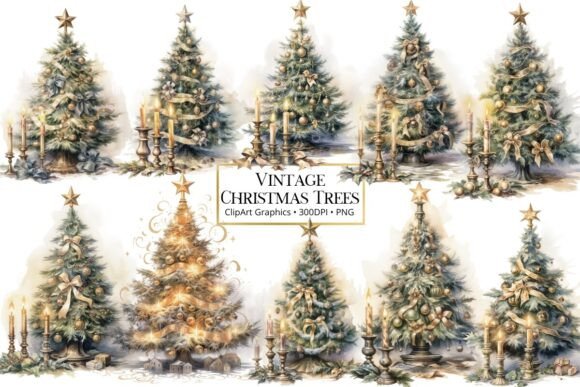
Vintage Christmas Trees Watercolor PNG for Illustrations
As a digital publisher who has spent over a decade refining the visual identity of high-traffic blogs and editorial platforms, I have learned that the difference between a bounce and a loyal reader often comes down to split-second visual trust. When I first loaded the Vintage Christmas Trees Watercolor PNG into my design workflow, my immediate reaction was one of relief. In a saturated creative marketplace flooded with flat, vector-heavy holiday graphics, this asset brings a necessary warmth and organic texture that modern web design often lacks. It does not scream for attention; instead, it invites the reader in, creating an editorial mood that is both nostalgic and sophisticated.
This graphic design asset is not merely decorative; it is a strategic tool for content creators. For bloggers, affiliate marketers, and small business owners preparing their Q4 content calendar, the aesthetic here is distinctly lifestyle-focused and artistic. It feels handmade, which subtly signals authenticity to your audience. In an era where AI-generated imagery can feel sterile, watercolor textures provide a human touch that enhances brand identity and fosters deeper reader connection. Whether you are running a cozy home decor blog, a culinary site featuring holiday recipes, or an educational platform offering seasonal printables, this illustration set supports a narrative of comfort and tradition.
Elevating Editorial Design and Web Presence
The primary value of the Vintage Christmas Trees Watercolor PNG lies in its versatility across various publishing channels. As a blog designer, I look for assets that maintain integrity whether they are scaled up for a website header or scaled down for a social media graphic. These illustrations excel in creating a cohesive visual hierarchy. When used as featured images for blog posts, they provide a soft, inviting backdrop that allows headline text to pop without competing for attention. This balance is crucial for improving click-through rates on archive pages and search results.
Consider the application in newsletter graphics. Email clients often strip away complex CSS, making image-based headers essential for branding. Using these watercolor trees in your holiday newsletter banners creates an immediate seasonal context that plain text cannot achieve. Similarly, for those creating digital products, such as a digital guide to holiday hosting or a printable design for gift tags, these assets serve as perfect foundational elements. They can be layered in tools like Photoshop or even simplified for use in a Canva template, allowing non-designers to produce professional-looking lead magnets and content upgrades.
Strategic Use in Content Marketing and Affiliate Visuals
For affiliate marketers and content creators, visual consistency drives conversion. When I review assets for commercial design purposes, I ask: Does this help sell the concept? The Vintage Christmas Trees Watercolor PNG supports sales indirectly by elevating the perceived value of the content surrounding it. If you are writing a review of holiday decor or promoting a seasonal service, pairing your copy with high-quality, artistic illustrations signals professionalism. It suggests that you care about the details, which translates to trust in your recommendations.
Pinterest remains a powerhouse for driving traffic to lifestyle and DIY blogs. The vertical nature of many Pinterest pins benefits greatly from the organic shapes found in these watercolor trees. They fill space naturally, avoiding the rigid boxy feel of standard stock photos. By incorporating these Illustrations into your Pinterest graphics, you create a distinct visual signature. Over time, users begin to recognize your pins in their feed not just by your logo, but by your specific artistic style. This kind of brand recognition is invaluable for long-term organic growth.
Where to Deploy and Where to Exercise Caution
While these assets are powerful, they are not a universal fix for every design challenge. They work best in hero images, article thumbnails, and as editorial accents in whitespace-heavy layouts. They shine in downloadable resources like worksheets and eBook covers where a touch of whimsy is welcome. However, publishers must use them carefully in certain contexts. For instance, on small mobile thumbnails, the delicate brushstrokes of watercolor can become muddy if the resolution is not optimized. Always test how the image renders on smaller screens to ensure the details remain visible.
Furthermore, avoid using these busy, textured backgrounds behind dense blocks of text. Visual hierarchy dictates that readability comes first. If you place headline text over the darker parts of the tree illustrations, contrast issues may arise. It is better to use the trees as sidebars, footers, or background elements with reduced opacity. Additionally, while the style is charming, it may not suit serious professional niches such as corporate finance, legal advice, or hard news reporting. In those cases, the playful, artistic nature of the watercolor might undermine the authority of the content. Know your audience and match the tone of your visuals to the seriousness of your subject matter.
Practical Publisher Notes for Implementation
Before integrating the Vintage Christmas Trees Watercolor PNG into your live site, follow a rigorous testing protocol. First, check the file size. High-resolution watercolor files can be heavy, which impacts page load speed—a critical factor for SEO and user experience. Compress images properly using modern formats like WebP where possible, ensuring you strike a balance between quality and performance.
Next, preview the asset inside your actual blog layout. Do not just judge it in isolation. Place it beside your standard typography. Test it with serif fonts for a classic, editorial look, or sans serif fonts for a more modern, clean aesthetic. You might also experiment with script or handwritten fonts for a personal, diary-like feel, but ensure legibility remains high. Try viewing the design in black and white to check the tonal range; if the contrast is too low, adjust the brightness or add a subtle drop shadow to separate the illustration from the background.
Finally, always confirm the licensing terms. If you are using this asset on monetized websites, affiliate pages, or in paid content products like a digital download, you must ensure you have the appropriate commercial license. Most reputable creative marketplaces offer clear guidelines, but never assume. Protecting your business from copyright issues is as important as the design itself. By treating these design assets with professional diligence, you ensure that your holiday content not only looks beautiful but also performs effectively, driving engagement and reinforcing your brand identity throughout the season.